Asthma, a chronic respiratory condition characterized by airway inflammation and bronchoconstriction, affects millions of individuals worldwide. Recent advancements in asthma treatment have expanded the options available for managing this condition, encompassing both conventional and alternative approaches. Among these, Ayurvedic medicine offers a holistic and natural method of treatment that complements modern medical practices. This article explores the latest advancements in asthma treatment, with a particular focus on Ayurveda and its integrative approach.
Latest Advancements in Conventional Asthma Treatment
Biologic Therapies
Biologic therapies have emerged as a significant advancement in ayurvedic asthma treatment, particularly for individuals with severe asthma that is not well-controlled with standard medications. These therapies target specific molecules involved in the inflammatory process of asthma. For instance, monoclonal antibodies like omalizumab (Xolair), mepolizumab (Nucala), and benralizumab (Fasenra) are designed to inhibit immunoglobulin E (IgE) or interleukins such as IL-5 and IL-4/IL-13 pathways, reducing inflammation and preventing exacerbations.
Smart Inhalers
Smart inhalers represent another technological advancement in asthma management. These devices are equipped with sensors that track inhaler use, reminding patients to take their medication and providing data to healthcare providers for better treatment adjustments. Smart inhalers help improve adherence to treatment plans, which is crucial for effective asthma control.
Personalized Medicine
Personalized medicine tailors treatment plans based on the genetic makeup, lifestyle, and specific characteristics of each patient. Advances in genomics and biomarkers allow for the identification of different asthma phenotypes, enabling more precise and effective treatments. This approach ensures that patients receive the most suitable medication and management strategies for their specific type of asthma.
Bronchial Thermoplasty
Bronchial thermoplasty is a minimally invasive procedure approved for severe asthma that is unresponsive to conventional treatments. It involves the delivery of controlled thermal energy to the airway walls, reducing the smooth muscle mass and decreasing the ability of the airways to constrict. This procedure has been shown to improve asthma control and reduce exacerbations in patients with severe asthma.
Ayurvedic Approach to Asthma Treatment

Ayurveda, an ancient system of medicine originating in India, offers a holistic approach to asthma treatment. It focuses on balancing the body’s doshas (biological energies) and enhancing overall health through natural remedies, dietary changes, and lifestyle modifications. Here are some key aspects of Ayurvedic treatment for asthma:
Dosha Imbalance and Asthma
In Ayurveda, asthma is primarily associated with an imbalance of the Vata and Kapha doshas. Vata governs movement and airflow in the body, while Kapha is responsible for stability and lubrication. An imbalance in these doshas can lead to the accumulation of mucus, airway obstruction, and respiratory distress. Ayurvedic treatment aims to restore balance through a combination of therapies.
Herbal Remedies
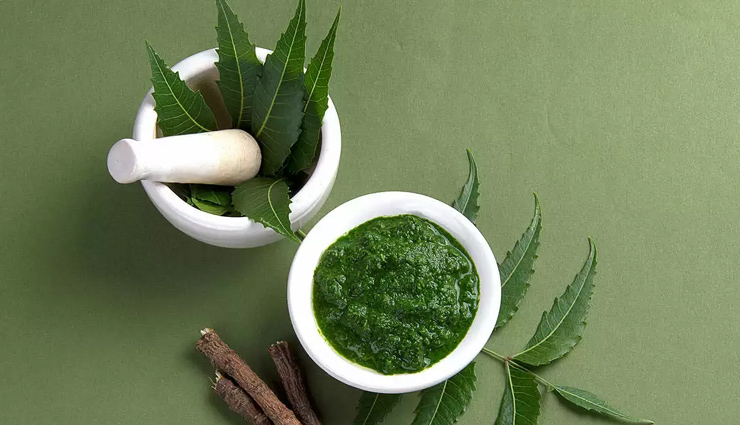
Ayurveda utilizes a variety of herbs known for their anti-inflammatory, bronchodilatory, and immune-modulating properties. Some commonly used herbs for asthma treatment include:
Turmeric (Curcuma longa): Known for its potent anti-inflammatory properties, turmeric helps reduce airway inflammation and improve breathing.
Licorice (Glycyrrhiza glabra): Licorice root soothes the respiratory tract, reduces inflammation, and acts as an expectorant to clear mucus.
Vasaka (Adhatoda vasica): This herb has bronchodilatory and mucolytic properties, making it effective in relieving bronchial congestion and improving airflow.
Tulsi (Ocimum sanctum): Holy basil has anti-inflammatory, antimicrobial, and immune-boosting properties, making it beneficial for respiratory health.
Panchakarma Therapy
Panchakarma, a detoxification and rejuvenation therapy in Ayurveda, plays a crucial role in asthma treatment. This therapy involves five purification procedures: Vamana (therapeutic vomiting), Virechana (purgation), Basti (enema), Nasya (nasal administration of medication), and Raktamokshana (bloodletting). Panchakarma helps eliminate toxins, balance doshas, and strengthen the respiratory system.
Dietary Modifications
Ayurveda emphasizes the importance of a balanced diet in managing asthma. Specific dietary recommendations include:
Avoiding Kapha-aggravating foods: Such as dairy products, cold foods, and oily or fried items.
Including anti-inflammatory foods: Such as fresh fruits, vegetables, and whole grains.
Lifestyle Changes
Lifestyle modifications are integral to Ayurvedic asthma management. Recommendations include:
Pranayama (breathing exercises): Techniques like Anulom Vilom (alternate nostril breathing) and Bhramari (humming bee breath) help improve lung capacity and reduce stress.
Regular exercise: Gentle exercises like yoga and walking enhance respiratory function and overall health.
Stress management: Practices like meditation and mindfulness reduce stress, which can trigger asthma symptoms.
Integrating Ayurveda with Conventional Treatment
The integration of Ayurvedic principles with conventional asthma treatment can provide a comprehensive approach to managing the condition. Combining modern medical advancements with Ayurvedic therapies can enhance the effectiveness of treatment, reduce dependency on medication, and improve the quality of life for asthma patients.
Case Study: Ayurvedic Treatment in Practice
A clinical case study published in the “Journal of Ayurveda and Integrative Medicine” illustrates the potential benefits of combining Ayurveda with conventional asthma treatment. A 45-year-old male patient with chronic asthma underwent a 12-week treatment program that included Ayurvedic herbs, dietary modifications, Panchakarma therapy, and conventional medications. The patient experienced significant improvement in lung function, reduced frequency of asthma attacks, and an overall better quality of life. This case highlights the potential of integrative approaches in managing chronic respiratory conditions.
Conclusion
The landscape of asthma treatment is evolving, with advancements in biologic therapies, smart inhalers, personalized medicine, and bronchial thermoplasty offering new hope for patients. Alongside these modern innovations, Dr Arvind Chaudhary Ayurveda provides a time-tested, holistic approach that addresses the root causes of asthma through natural remedies, lifestyle changes, and detoxification therapies. By integrating Ayurvedic principles with conventional treatment, healthcare providers can offer a comprehensive and effective strategy for managing asthma, ultimately improving patient outcomes and quality of life.