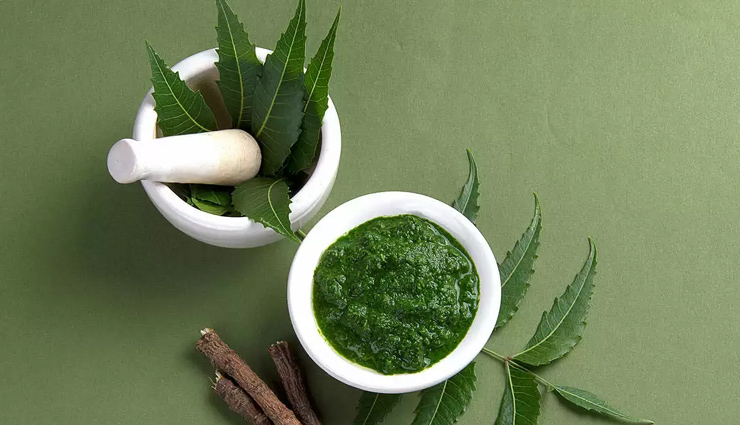
Heart disease is a leading cause of health complications worldwide, requiring a combination of modern medical treatments and holistic therapies. At Ayurmax, under the expert guidance of Dr. Arvind Chaudhary, patients receive a comprehensive approach to heart health that integrates conventional medications with Ayurvedic wisdom. Medications for heart disease, including antiplatelet agents, beta-blockers, and statins, are essential in managing symptoms, preventing complications, and improving overall heart function. Ayurveda offers complementary therapies that emphasize herbal remedies, lifestyle changes, and detoxification to support heart health holistically.
For those seeking expert guidance, consulting the best cancer doctor in Dehradun or the best Ayurveda doctor in Dehradun can provide personalized advice on managing heart disease through an integrative approach.
Understanding Medications for Heart Disease
Medications are prescribed based on the type and severity of heart disease. Below are common medications for heart disease, their uses, and potential side effects.

1. Antiplatelet Agents
Antiplatelet medications like Aspirin and Clopidogrel prevent blood clots, reducing the risk of heart attacks and strokes.
Uses: Often prescribed for those with coronary artery disease or who have undergone procedures like angioplasty.
Side Effects: Can cause stomach irritation, ulcers, or increased bleeding.
2. ACE Inhibitors and ARBs
ACE Inhibitors (e.g., Lisinopril, Enalapril) and ARBs (e.g., Losartan, Valsartan) help relax blood vessels, reducing blood pressure and heart strain.
Uses: Effective in lowering blood pressure and reducing heart attack risk.
Side Effects: Dry cough, high potassium levels, and possible kidney issues.
3. Beta-Blockers
Beta-blockers (e.g., Metoprolol, Atenolol) slow the heart rate, reducing blood pressure and oxygen demand.
Uses: Used for high blood pressure, heart failure, and arrhythmias.
Side Effects: Fatigue, dizziness, and cold extremities.
4. Calcium Channel Blockers
These drugs (e.g., Amlodipine, Diltiazem) relax blood vessels, improving circulation and lowering blood pressure.
Uses: Treats hypertension, angina, and arrhythmias.
Side Effects: Swelling, headache, and constipation.
5. Statins
Statins (e.g., Atorvastatin, Simvastatin) lower cholesterol by inhibiting liver enzymes that produce it.
Uses: Reduces LDL cholesterol and prevents artery blockages.
Side Effects: Muscle pain, liver issues, and increased blood sugar.
6. Diuretics
Diuretics like Furosemide and Hydrochlorothiazide eliminate excess fluid and sodium, lowering blood pressure.
Uses: Helps manage high blood pressure and heart failure.
Side Effects: Dehydration, dizziness, and electrolyte imbalance.
7. Nitroglycerin and Nitrates
These medications ease chest pain (angina) by improving blood flow to the heart.
Uses: Used for angina relief.
Side Effects: Headaches, dizziness, and low blood pressure.
8. Anticoagulants
Anticoagulants like Warfarin and Dabigatran thin the blood, preventing clots.
Uses: Helps prevent strokes and clot-related conditions.
Side Effects: Increased bleeding risk.
9. Digitalis
Digitalis (e.g., Digoxin) strengthens heart muscle contractions, beneficial for heart failure and arrhythmias.
Uses: Treats heart failure and certain irregular heartbeats.
Side Effects: Nausea, vision disturbances, and heart rhythm issues.
While these medications for heart disease are effective, they may have side effects. Ayurvedic approaches can complement modern medicine, reducing reliance on medications while supporting heart health naturally.
Ayurvedic Approaches to Supporting Heart Health with Medications for Heart Disease
Ayurveda focuses on balancing the body’s doshas and promoting natural healing. Ayurvedic treatments at Ayurmax, led by Dr. Arvind Chaudhary, emphasize herbal remedies, lifestyle adjustments, and detoxification to enhance heart health. Alongside conventional medications for heart disease, Ayurveda offers natural solutions that work synergistically to improve cardiovascular function and overall well-being.
1. Ayurvedic Herbs for Medications for Heart Disease
Several Ayurvedic herbs strengthen the heart and improve circulation, complementing medications for heart disease:
- Arjuna (Terminalia arjuna): Strengthens heart muscles, lowers cholesterol, and improves blood circulation.
- Ashwagandha: Reduces stress and supports cardiovascular function, which is essential for heart health.
- Triphala: Detoxifies the body and improves digestion, reducing toxin buildup that can impact the heart.
- Guggul: Lowers cholesterol levels and prevents arterial plaque formation, supporting heart disease treatment.
- Turmeric: Contains curcumin, an anti-inflammatory compound that promotes heart health by preventing arterial blockages.
- Brahmi: Helps reduce stress and anxiety, promoting overall heart wellness.
- Rauwolfia Serpentina (Sarpagandha): Traditionally used to manage high blood pressure and prevent hypertension.
2. Heart-Healthy Diet in Ayurveda to Support Medications for Heart Disease
A balanced diet is crucial for heart disease management. Ayurveda suggests eating according to one’s dosha to complement medications for heart disease:
- Vata-Pacifying Foods: Warm, nourishing meals (soups, root vegetables, whole grains) that provide stability and warmth to the body.
- Pitta-Pacifying Foods: Cooling foods like leafy greens, melons, and cucumbers to help reduce inflammation and maintain heart health.
- Kapha-Pacifying Foods: Spicy, light foods like ginger, turmeric, and legumes to prevent cholesterol buildup and maintain a healthy metabolism.
Ayurveda also recommends reducing processed foods, excessive salt, and refined sugars while including fresh vegetables, whole grains, and healthy fats like ghee and olive oil to support medications for heart disease.
3. Lifestyle Modifications for Medications for Heart Disease
Incorporating healthy lifestyle practices can enhance the effectiveness of medications for heart disease:
- Yoga and Pranayama: Improves circulation, lowers blood pressure, and reduces stress—key factors in preventing heart disease.
- Meditation: Lowers cortisol levels, stabilizes blood pressure, and reduces anxiety, promoting better heart health.
- Abhyanga (Self-Massage): Stimulates blood flow, enhances detoxification, and reduces stress, which can complement heart disease medications.
- Daily Exercise: Engaging in moderate physical activity like walking, swimming, or light jogging supports cardiovascular function and overall well-being.
4. Detoxification for Medications for Heart Disease
Ayurveda emphasizes periodic detoxification through Panchakarma treatments, which help cleanse the body of toxins that contribute to heart disease:
- Virechana (Purgation Therapy): Eliminates excess Pitta dosha, reducing inflammation and cholesterol levels.
- Basti (Herbal Enema): Removes accumulated toxins from the digestive tract, enhancing overall cardiovascular function.
- Nasya (Nasal Therapy): Helps improve oxygen flow to the brain and heart, reducing stress and promoting better circulation.
5. Managing High Blood Pressure Naturally with Medications for Heart Disease
High blood pressure is a significant risk factor for heart disease. Ayurveda provides natural ways to regulate blood pressure while complementing conventional medications for heart disease:
- Herbs like Sarpagandha, Ashwagandha, and Brahmi help naturally lower blood pressure.
- Including potassium-rich foods (bananas, oranges, leafy greens) supports healthy blood pressure levels.
- Reducing caffeine and salt intake prevents hypertension complications and improves cardiovascular function.
- Practicing mindfulness and stress-reducing techniques ensures a stable heart rate and overall well-being.
6. Integrative Care: Ayurveda, Modern Medicine, and the Best Cancer Doctor in Dehradun
While Ayurvedic treatments offer natural healing, regular medical monitoring is necessary. Combining medications for heart disease with Ayurvedic therapies can offer a more holistic approach to treatment. Consulting the best cancer doctor in Dehradun or the best Ayurveda doctor in Dehradun ensures a balanced approach that incorporates both modern medicine and Ayurveda. At Ayurmax, Dr. Arvind Chaudhary specializes in integrating these approaches to provide personalized heart care.
Conclusion
Medications for heart disease are essential, but integrating Ayurveda can enhance their effectiveness and promote overall well-being. At Ayurmax, Dr. Arvind Chaudhary combines modern and Ayurvedic medicine to provide holistic heart care. Ayurvedic herbs, dietary changes, stress management, and detoxification can support heart health while reducing reliance on medications. Consulting the best cancer doctor in Dehradun ensures a comprehensive approach to health, addressing both cardiovascular and oncological concerns. Always seek expert guidance for a safe and personalized treatment plan.