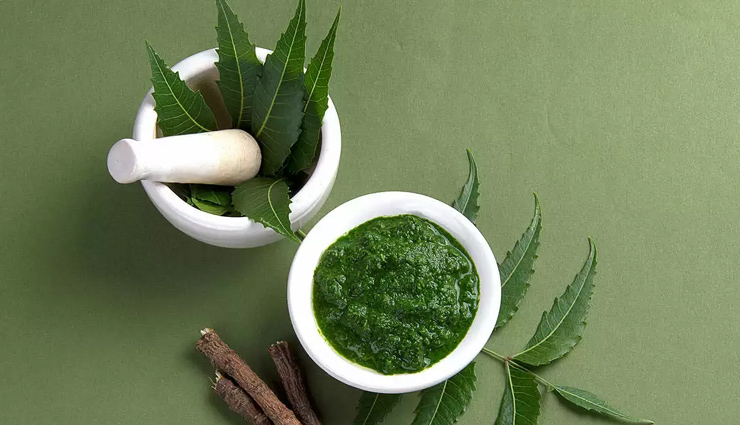
Diabetes is a chronic condition affecting millions of people worldwide, characterized by high levels of glucose in the blood. While conventional medicine primarily focuses on managing symptoms and preventing complications, Ayurveda offers a holistic approach that addresses the root cause of the disease, promoting overall well-being. In the serene town of Dehradun, where ancient wisdom meets modern healthcare, individuals seeking a natural approach to diabetes management can find guidance from the best Ayurvedic practitioners.
This article explores how Ayurveda, guided by the expertise of the best Ayurvedic doctor in Dehradun, can provide effective treatments for diabetes, focusing on lifestyle changes, dietary recommendations, and herbal therapies.
Understanding Diabetes in Ayurveda
In Ayurveda, diabetes is known as “Madhumeha,” a condition classified under the broader category of Prameha, which encompasses a group of metabolic disorders primarily related to the urinary system. Madhumeha specifically refers to excessive urination with sweet urine, a hallmark symptom of diabetes. Ayurveda identifies two primary types of Madhumeha:
- Apatharpana Type: Caused by depletion or loss of body tissues due to factors such as starvation or excessive exercise.
- Santarpana Type: Caused by an overabundance or nourishment of body tissues, often due to overeating and sedentary lifestyle.
Ayurveda attributes the development of diabetes to an imbalance in the body’s three doshas: Vata, Pitta, and Kapha. Kapha dosha, associated with water and earth elements, plays a significant role in the manifestation of diabetes, leading to the accumulation of excess fat and fluids in the body. Vitiation of Pitta and Vata doshas can further complicate the condition, causing imbalances in metabolism and digestion.
Ayurvedic Approach to Managing Diabetes
Ayurveda offers a comprehensive approach to managing diabetes, focusing on restoring balance to the doshas and improving the body’s natural ability to regulate blood sugar levels. This approach involves a combination of dietary modifications, lifestyle changes, herbal remedies, and personalized treatments prescribed by an experienced Ayurveda doctor in Dehradun.
1. Dietary Recommendations
Diet plays a crucial role in managing diabetes according to Ayurvedic principles. The emphasis is on consuming a balanced diet that supports digestion and metabolism while avoiding foods that aggravate Kapha dosha.
Key Dietary Guidelines:
- Favor Bitter and Astringent Tastes: Bitter and astringent foods help reduce blood sugar levels and balance Kapha dosha. Include foods like bitter gourd, fenugreek, and turmeric in your diet.
- Avoid Sweet, Sour, and Salty Foods: These tastes increase Kapha dosha and should be limited. Avoid sugar, processed foods, and excessive salt.
- Incorporate Whole Grains and Legumes: Whole grains like barley, millet, and quinoa, along with legumes, provide sustained energy and help regulate blood sugar levels.
- Focus on Fresh Vegetables: Green leafy vegetables, cucumbers, and zucchini are beneficial for managing diabetes.
- Eat Small, Frequent Meals: Eating smaller, balanced meals throughout the day helps maintain stable blood sugar levels.
2. Lifestyle Changes
Ayurveda emphasizes the importance of a balanced lifestyle in managing diabetes. Incorporating daily routines that align with natural rhythms can help regulate metabolism and improve overall health.
Recommended Lifestyle Practices:
- Regular Exercise: Engage in moderate physical activity like walking, yoga, or swimming to improve insulin sensitivity and maintain a healthy weight.
- Daily Abhyanga (Oil Massage): Massaging the body with warm sesame oil helps balance doshas and improve circulation.
- Adequate Sleep: Ensure 7-8 hours of restful sleep each night to support metabolic processes and reduce stress.
- Stress Management: Practice meditation, pranayama (breathing exercises), and mindfulness to reduce stress, which can aggravate diabetes.
3. Herbal Remedies
Ayurveda utilizes a variety of herbs that have been traditionally used to manage diabetes and its symptoms. These herbs are selected based on their ability to balance doshas, improve digestion, and regulate blood sugar levels.
Common Ayurvedic Herbs for Diabetes:
-
- Bitter Gourd (Karela): Known for its hypoglycemic properties, bitter gourd helps lower blood sugar levels by increasing insulin secretion.
- Fenugreek (Methi): Fenugreek seeds are rich in soluble fiber, which helps regulate blood sugar levels by slowing down carbohydrate absorption.
- Turmeric (Haldi): Turmeric contains curcumin, which has anti-inflammatory and antioxidant properties, making it beneficial in managing diabetes-related complications.
- Guduchi (Giloy):Guduchi enhances the body’s immunity and helps regulate blood sugar levels by balancing all three doshas.
- Amla (Indian Gooseberry): Amla is a rich source of vitamin C and antioxidants, which help improve insulin sensitivity and reduce oxidative stress.
4. Panchakarma and Detoxification
Panchakarma is a cornerstone of Ayurvedic treatment, offering a series of detoxification therapies that cleanse the body of accumulated toxins (ama) and restore dosha balance. For diabetes management, specific Panchakarma procedures are recommended to purify the body and enhance its natural healing processes.
Panchakarma Therapies for Diabetes:
-
- Virechana (Purgation Therapy): This therapy helps eliminate excess Pitta and Kapha from the body, improving digestion and metabolic function.
- Basti (Medicated Enema): Basti therapy balances Vata dosha and helps regulate the excretory system, which is often affected in diabetes.
- Abhyanga and Swedana: A combination of oil massage and herbal steam therapy that improves circulation, relaxes the body, and aids in detoxification.
These therapies, when administered by the best Ayurvedic doctor in Dehradun, can provide significant relief from diabetes symptoms and help prevent complications.
5. Personalized Treatment Plans
Ayurveda recognizes that each individual is unique, and treatment plans are tailored to the patient’s specific constitution (Prakriti), the nature of the disease (Vikriti), and the stage of diabetes. An experienced Ayurveda doctor in Dehradun will conduct a thorough assessment, including pulse diagnosis, to determine the appropriate treatment plan.
Personalized Treatment May Include:
- Herbal Formulations: Custom-made herbal powders, tablets, or decoctions based on the patient’s dosha imbalance.
- Diet and Lifestyle Counseling: Guidance on dietary choices, meal planning, and lifestyle modifications that align with the individual’s needs.
- Follow-up and Monitoring: Regular follow-ups to monitor progress, adjust treatments, and ensure effective management of diabetes.
The Role of Ayurveda in Preventing Diabetes Complications
One of the significant advantages of Ayurveda in diabetes management is its focus on preventing complications. Diabetes can lead to various long-term health issues, including cardiovascular disease, kidney damage, neuropathy, and eye problems. Ayurveda addresses these complications by strengthening the body’s natural defenses, improving circulation, and reducing inflammation.
Preventive Measures in Ayurveda:
- Rasayana Therapy: This rejuvenation therapy enhances vitality, boosts immunity, and helps prevent complications by promoting overall health and well-being.
- Antioxidant-Rich Herbs: Herbs like Amla and Turmeric are rich in antioxidants, which help protect cells from damage caused by high blood sugar levels.
- Balancing Doshas: Regular practice of yoga, meditation, and dietary management helps maintain dosha balance, reducing the risk of complications.
Conclusion
Ayurveda offers a holistic and personalized approach to managing diabetes, focusing on restoring balance to the body, mind, and spirit. By incorporating dietary modifications, lifestyle changes, herbal remedies, and detoxification therapies, individuals can effectively manage their blood sugar levels and improve their quality of life.
In Dehradun, the expertise of the best Ayurvedic doctor provides a unique opportunity for those seeking a natural and holistic approach to diabetes management. By embracing Ayurvedic principles, patients can achieve long-term health and prevent the complications associated with diabetes.
If you are looking for a natural way to manage diabetes, consider consulting with an experienced Ayurveda doctor in Dehradun who can guide you on the path to holistic health and well-being.