Introduction
Autoimmune disorders are a complex group of diseases where the body’s immune system mistakenly attacks its own tissues. This can lead to a wide range of symptoms and complications, depending on the specific disorder and the organs or systems affected. While conventional medicine offers various treatments, there is a growing interest in alternative approaches, including Ayurveda, which provides a holistic perspective on managing these conditions. In this article, we’ll explore autoimmune disorders, their conventional and Ayurvedic treatments, and the role of some of the best Ayurveda doctors in Dehradun and best doctors in Dehradun in managing these challenging conditions.
- What are Autoimmune Disorders?
Autoimmune disorders occur when the immune system, which is designed to protect the body from harmful invaders like bacteria and viruses, mistakenly targets the body’s own cells. This can result in inflammation, tissue damage, and a wide range of symptoms depending on the organs or systems affected. Some common autoimmune disorders include:
- Rheumatoid Arthritis: A condition where the immune system attacks the joints, leading to pain, swelling, and eventual joint damage.
- Lupus: A systemic condition that can affect the skin, joints, kidneys, and other organs.
- Multiple Sclerosis: A disease where the immune system attacks the protective covering of nerves, leading to neurological symptoms.
- Type 1 Diabetes: A condition where the immune system destroys insulin-producing cells in the pancreas.
- Psoriasis: An autoimmune disorder affecting the skin, causing red, scaly patches.
2. Causes of Autoimmune Disorders
The exact cause of autoimmune disorders is not fully understood, but several factors are believed to contribute to their development, including:
- Genetics: A family history of autoimmune disorders increases the risk.
- Environmental Triggers: Infections, exposure to certain chemicals, and even diet may trigger an autoimmune response in genetically susceptible individuals.
- Hormones: Autoimmune disorders are more common in women, suggesting a hormonal link.
- Gut Health: Emerging research indicates that gut health plays a crucial role in immune function, and imbalances in gut bacteria may contribute to autoimmune diseases.
3. Conventional Treatments for Autoimmune Disorders
Conventional treatment for autoimmune disorders typically involves managing symptoms and suppressing the immune system to prevent it from attacking the body. Some common treatments include:
- Immunosuppressive Medications: Drugs like corticosteroids and biologics are often prescribed to reduce immune system activity and inflammation.
- Physical Therapy: For conditions like rheumatoid arthritis and multiple sclerosis, physical therapy can help maintain mobility and function.
- Diet and Lifestyle Modifications: Patients are often advised to adopt a healthy diet, exercise regularly, and avoid stress, which can exacerbate symptoms.
- Symptomatic Treatment: Pain relievers, anti-inflammatory drugs, and other medications may be used to manage specific symptoms.
While these treatments can be effective in managing symptoms, they often come with side effects and do not address the underlying causes of the disorder. This has led many patients to explore alternative treatments, including Ayurveda, which offers a holistic approach to managing autoimmune diseases.
4. Ayurvedic Perspective on Autoimmune Disorders
Ayurveda, the ancient system of medicine from India, views autoimmune disorders as a result of imbalances in the body’s doshas (vital energies) and the accumulation of toxins (ama). According to Ayurveda, when the digestive fire (agni) is weakened, it leads to the production of ama, which can accumulate in tissues and disrupt normal immune function. This imbalance can lead to the immune system attacking the body’s own cells, resulting in autoimmune disorders.
The Ayurvedic approach to treating autoimmune disorders involves several key strategies:
- Detoxification (Panchakarma): Ayurvedic treatment often begins with detoxification procedures, such as Panchakarma, to eliminate ama from the body and restore balance. This may involve therapies like oil massages, steam baths, enemas, and herbal remedies.
- Balancing the Doshas: Ayurvedic practitioners focus on restoring balance to the doshas through personalized diet plans, lifestyle changes, and herbal supplements.
- Strengthening Agni: Improving digestion and strengthening the digestive fire is crucial in Ayurveda. This can be achieved through dietary changes, herbal supplements, and specific lifestyle practices.
- Immune Modulation: Ayurveda emphasizes the use of herbs and natural remedies that modulate the immune system, rather than suppressing it. This helps to restore normal immune function without the side effects associated with conventional immunosuppressive drugs.
5. Ayurvedic Herbs for Autoimmune Disorders
Several Ayurvedic herbs are known for their immune-modulating and anti-inflammatory properties, making them valuable in the treatment of autoimmune disorders. Some of the most commonly used herbs include:
- Ashwagandha: Known for its adaptogenic properties, Ashwagandha helps to modulate the immune system and reduce stress, which is a common trigger for autoimmune flare-ups.
- Turmeric (Curcumin): Turmeric is a powerful anti-inflammatory herb that has been shown to reduce inflammation and oxidative stress in autoimmune conditions.
- Guduchi (Tinospora cordifolia): Guduchi is considered a potent immunomodulator in Ayurveda and is often used to treat autoimmune disorders.
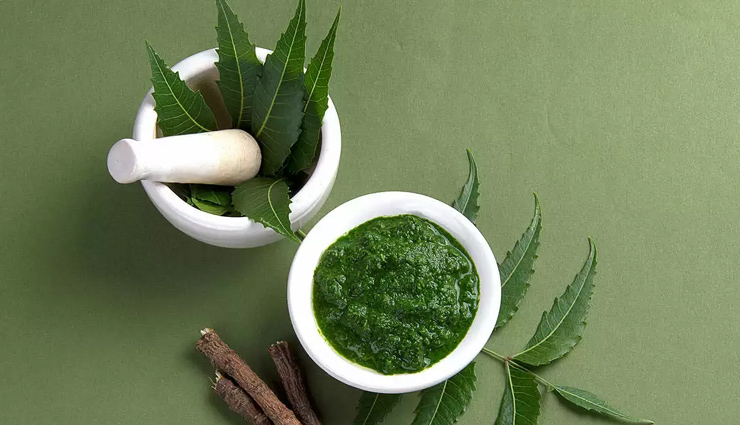
- Neem: Neem has detoxifying and immune-modulating properties, making it useful in managing autoimmune conditions.
- Shatavari: Shatavari is particularly beneficial for women with autoimmune disorders, as it helps to balance hormones and strengthen the immune system.
6. Role of Ayurveda and Conventional Medicine
While Ayurveda offers a holistic approach to managing autoimmune disorders, it is often used in conjunction with conventional medicine to provide comprehensive care. Patients are encouraged to consult with both Ayurvedic and allopathic doctors to create a treatment plan that addresses their unique needs. In Dehradun, several practitioners are recognized for their expertise in these fields:
- Best Ayurveda Doctor in Dehradun: For those seeking Ayurvedic treatment, finding the right practitioner is crucial. The best Ayurveda doctors in Dehradunare known for their ability to tailor treatments to the individual’s constitution, using a combination of detoxification, diet, herbs, and lifestyle changes to manage autoimmune disorders effectively.
- Best Cancer Doctor in Dehradun: Autoimmune disorders can sometimes lead to complications, including an increased risk of certain cancers. The best cancer doctors in Dehradun are equipped to manage these complex cases, offering both conventional and integrative approaches to treatment.
7. Integrative Approach to Autoimmune Disorders
An integrative approach that combines the strengths of both conventional medicine and Ayurveda can offer the best outcomes for patients with autoimmune disorders. This approach allows for symptom management through conventional treatments while addressing the root causes and promoting overall wellness through Ayurvedic practices.
8. Case Studies and Success Stories
Many patients have found relief from autoimmune symptoms through Ayurveda. For example, individuals with rheumatoid arthritis have reported reduced pain and inflammation after undergoing Panchakarma and adopting an Ayurvedic diet. Others with conditions like lupus and psoriasis have experienced improvements in skin health and energy levels with the use of Ayurvedic herbs and lifestyle changes.
In Dehradun, several practitioners have built a reputation for successfully managing autoimmune disorders using an integrative approach. These success stories highlight the potential of Ayurveda as a complementary therapy for autoimmune conditions.
Conclusion
Autoimmune disorders are complex and challenging to treat, but with the right approach, patients can achieve significant improvements in their quality of life. Whether you’re seeking conventional treatment, Ayurvedic care, or a combination of both, it’s essential to consult with experienced practitioners. In Dehradun, the best Ayurveda doctors offer a wealth of expertise in managing these conditions, providing patients with a comprehensive and personalized treatment plan. By addressing the root causes and focusing on holistic wellness, Ayurveda offers a promising path for those living with autoimmune disorders.